- Tehran Lifts Missile Range Cap: What Does it Tell the Enemies about Iran’s Military Deterrence?
- "Iron Gate": The US Failure Story from Hormuz to Caspian
- Pakistan, Syria, Saudi Arabia: A New Camp Meant for Yemen War?
- Amid Burgeoning Crisis, Iraq’s Kurdistan is Haunted by Two-administration System
- Netanyahu Teetering on the Brink
- From Vietnam to Iran: White House’s most Notable Defeats in Midterms
- First Muslim Senate Win Suggests Pro-Palestinian Sentiments Surging in the US
- GOP Defeat: Iran War Takes Its Toll on the Republicans and Trump
- Israel Vote Shattered Netanyahu’s Victory Discourse, Transformed Political Polarity: Expert
- Trump and Peospects of Democratic Win in Midterms
Editor's Choice
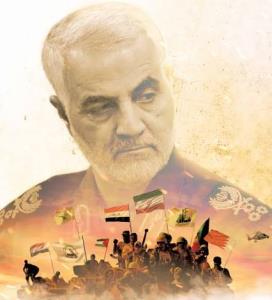
Gen. Solemani, A Living Resistance Legacy General Solemani of Iran caused a transformation to the region that blocked the way of the Israeli and American projects in West Asia.
A Review of Newly Published US National Security Document The US national security document may be an unwanted admission that the US hegemony is diminishing.
US or Venezuela? Who’s the True Oil Thief? Trump says Venezuelan nationalization of its oil was theft of American oil companies’ assets, justifying oil blockade on South American nation.
Why Are Tel Aviv and Washington Stepping Up Pressures against Hezbollah? Israel knows that disarming Hezbollah makes occupation of Lebanon a piece of cake.
Is Yemen on the Verge of Split? The country is sinking in chaos as conflicting forces in the south are going separate ways and Yemenis are less involved in the fate of the south.
News
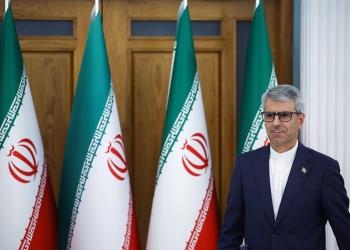
Iran Slams Europe for Double Standards Over US-Israeli Aggression
Iranian Foreign Ministry spokesman Esmaeil Baghaei has condemned Germany and other European countriesGhalibaf Warns Any Infringement on Iranian Territory Will Provoke an Unimaginable Response Iranian Parliament Speaker Mohammad Bagher Ghalibaf has warned that any attack on the country’s sovereignty would prompt a forceful retaliation
Yemeni Forces Strike Key Targets Deep Inside Saudi Arabia Yemen’s military has launched a new wave of strikes on Saudi targets
Iranian Greco-Roman Wrestlers Claim Four Medals on World Championships’ Opening Day Iran secured four medals, including one gold, two silver and one bronze, in the opening four weight categories of the World Wrestling Championships
Leader Calls for Stronger Anti-Corruption Measures and Compensation for US-Israeli War Damage Ayatollah Seyyed Mojtaba Hosseini Khamenei, Leader of the Islamic Revolution, has urged authorities to intensify the campaign against corruption
Yemeni Forces Target Riyadh Airport and Saudi Oil Facilities in Seven Operations Yemen’s armed forces announced that they launched seven attacks on Saudi territory
Iraqi Resistance Vows Support for Iran Against Any New US-Israeli Aggression The Islamic Resistance in Iraq has vowed to support Iran if the United States and the Zionist regime launch another attack on the country
Two Supertankers Sustain Damage After Hitting Sea Mines in Strait of Hormuz Two supertankers transporting over 4.5 million barrels of crude oil were put out of action after striking sea mines
Ayatollah Khamenei and Ghalibaf Review Latest Developments in US-Israeli War on Iran Ayatollah Seyyed Mojtaba Khamenei and Parliament Speaker Mohammad Bagher Ghalibaf held talks on the ongoing conflict
Source: Iran Ready for Full-Scale, Multi-Front War Against Adversaries A senior security official said Wednesday that Iran is fully prepared for a large-scale conflict spanning multiple fronts as regional tensions intensify
Iran: US Political Targets Could Be Legitimate if Assassinations Resume An Iranian security official stated that American political figures could become legitimate targets if targeted killings of officials resume
Iranian FM Warns US of Greater Strategic Defeat Without Honorable Agreement Washington faces a choice between reaching a fair and honorable agreement with Tehran and risking a more severe strategic setback
IRGC Deputy Says Iran Prepared to Repel Any Attack by Adversaries The Islamic Revolution Guards Corps (IRGC) deputy for political affairs said Iran’s military is ready to counter any hostile action
Iranian Security Chief Vows No Enriched Uranium Will Leave the Country Iran’s top security official has firmly rejected transferring enriched uranium abroad, declaring that all nuclear material will remain within the country
Iran Warns of Threat to Hormuz Undersea Cables in Event of Infrastructure Attacks IRGC official Yadollah Javani warns submarine cables in Strait of Hormuz could be endangered by attacks on Iranian infrastructure
Israel’s Latest Gaza Attacks Kill At least Four Palestinians Amid Genocide Allegations At least four Palestinians have been killed in Israeli strikes on Gaza, further raising doubts about Israel’s commitment to a year-old ceasefire
France Tightens Curbs and Threatens Large-Scale Police Deployment Ahead of Demonstrations French officials have prolonged nighttime movement restrictions in Paris and several other major urban centers
Iranian Military Chief Vows Armed Forces Will Defend Nation in All Circumstances Iran’s senior military chief has affirmed that the country’s armed forces are fully prepared to safeguard national sovereignty and confront any threat
IRGC Warns Further Attacks on Iran Could Spark Worldwide Energy Crisis The Islamic Revolution Guards Corps (IRGC) cautioned that renewed attacks on Iran would provoke a far stronger retaliation
Araghchi: Tehran-Moscow Ties Vital for Regional Peace and Stability Iranian Foreign Minister Abbas Araghchi stressed that closer ties between Tehran and Moscow could contribute to greater regional stability
Most Viewed
Tehran Lifts Missile Range Cap: What Does it Tell the Enemies about Iran’s Military Deterrence?
"Iron Gate": The US Failure Story from Hormuz to Caspian
Amid Burgeoning Crisis, Iraq’s Kurdistan is Haunted by Two-administration System
Trump and Peospects of Democratic Win in Midterms
From Vietnam to Iran: White House’s most Notable Defeats in Midterms
"Iron Gate": The US Failure Story from Hormuz to Caspian
Israel Vote Shattered Netanyahu’s Victory Discourse, Transformed Political Polarity: Expert
First Muslim Senate Win Suggests Pro-Palestinian Sentiments Surging in the US
Netanyahu Teetering on the Brink
GOP Defeat: Iran War Takes Its Toll on the Republicans and Trump
Pakistan, Syria, Saudi Arabia: A New Camp Meant for Yemen War?
Tehran Lifts Missile Range Cap: What Does it Tell the Enemies about Iran’s Military Deterrence?
Velayati Condemns Rubio’s Remarks, Says US Has No Moral Authority to Lecture Others
French Protest Turnout Doubles as Demonstrators Call for Macron’s Government to Resign
Yemen Warns Civilians to Leave Saudi Aramco Sites, Threatens Retaliation for Attacks on Sana’a
Yemen’s Missile Lock on Saudi Airports Deals Blows to Kingdom’s Aviation Industry
OIC Foreign Ministers Gather in Baghdad as Araghchi Arrives for Meeting
Hormuz, Tehran’s Deterrence Lever against American Threats
Araghchi Urges Global Accountability for Environmental Destruction During Wars
YAF Targets Riyadh Airport and Saudi Military Positions
Behind Closed School Doors: Azerbaijan Govt. Secularism vs. Islamic Identity of Society
Khatibzadeh: Any Agreement Must Include Lebanon
Israel’s Fury at Nobel Choice: Pillay and Gaza Genocide Case
Completion of Iraq Cabinet and Redrawing Balance of Power
IRGC Navy Reports Second Supertanker Explosion Following Naval Mine Strike in Hormuz
Gaza Reports 10 Deaths, 65 Injuries in 24 Hours as Israeli Attacks Continue
Rezaei Warns Washington of Another Historic Defeat, Citing Iran’s Victory over Rome
In Focus
Ansarullah
A Zaidi Shiite movement operating in Yemen. It seeks to establish a democratic government in Yemen.
Shiite
represents the second largest denomination of Islam. Shiites believe Ali (peace be upon him) to be prophet"s successor in the Caliphate.
Resistance
Axis of Resistances refers to countries and movements with common political goal, i.e., resisting against Zionist regime, America and other western powers. Iran, Syria, Hezbollah in Lebanon, and Hamas in Palestine are considered as the Axis of Resistance.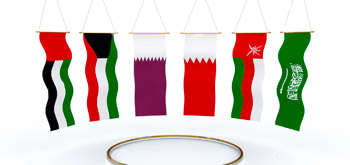
Persian Gulf Cooperation Council
A regional political u n i o n consisting of Arab states of the Persian Gulf, except for Iraq.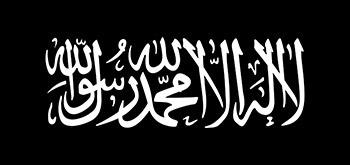
Taliban
Taliban is a Sunni fundamentalist movement in Afghanistan. It was founded by Mohammed Omar in 1994.
Wahhabism & Extremism
Wahhabism is an extremist pseudo-Sunni movement, which labels non-Wahhabi Muslims as apostates thus paving the way for their bloodshed.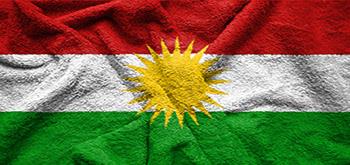
Kurds
Kurds are an ethnic group in the Middle East, mostly inhabiting a region, which spans adjacent parts of Iran, Iraq, Syria, and Turkey. They are an Iranian people and speak the Kurdish languages, which form a subgroup of the Northwestern Iranian branch of Iranian languages.
NATO
The North Atlantic Treaty Organization is an intergovernmental military alliance based on the North Atlantic Treaty which was signed on 4 April 1949.
Islamic Awakening
Refers to a revival of the Islam throughout the world, that began in 1979 by Iranian Revolution that established an Islamic republic.
Al-Qaeda
A militant Sunni organization founded by Osama bin Laden at some point between 1988 and 1989
New node

News
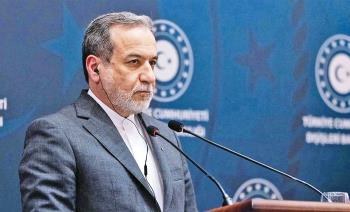
Araghchi Calls on World to Hold US Accountable for ‘War Crimes’ at UNGA
Wednesday 23 September 2026
200 people, many of them children.
Araghchi said the world has not done enough to condemn these crimes and stressed that impunity carries wide-ranging consequences. He called on all countries to uphold the UN Charter and international law, particularly the prohibition on the use of force, and urged ...
Analysis
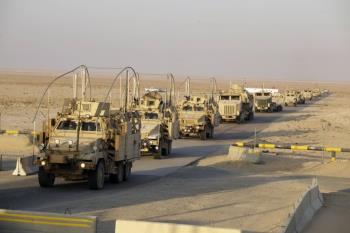
Exit from Iraq: US Superpower Image Shattered with a Strategic Defeat
Friday 2 October 2026
،
2004, even though their reasons for going in were wrong. The evidence conclusively showed that Iraq possessed neither long-range missiles nor weapons of mass destruction, and that the Iraqi regime had no connection whatsoever to al-Qaeda or to the attacks carried out against America and its allies.
...

Interview
US Military Withdrawal not End of US Iraq Presence, Iran Needs Long-term Iraq Strategy: Expert
Saturday 3 October 2026
،
2003 invasion and start of Iraq destruction
Referring to the American invasion of Iraq in 2003 that led to collapse of Saddam Hussein, Mr Afghahi said that George W. Bush's war on Iraq was part of a push to gain control over Iraq and to change the regional geography to pave the way for long-ter ...
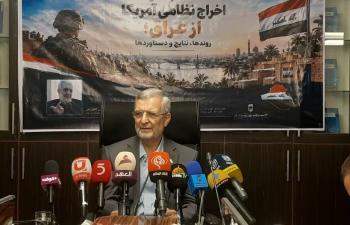
Interview
US Ouster from Iraq Prelude to Its Expulsion from the Region: Former Iranian Amb. to Iraq
Monday 5 October 2026
،
2003, to signal that things in the international order have changed and Washington is the top decision-maker.
He added that once the US became bogged down in Iraq, the martyred Leader’s prediction about the dangers of the American project in Iraq came true, at a time when the entire world was ...
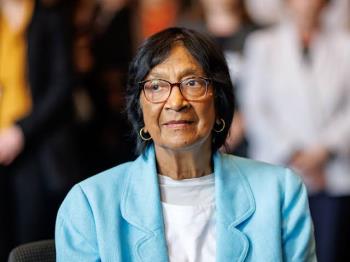
Paper
Israel’s Fury at Nobel Choice: Pillay and Gaza Genocide Case
Saturday 10 October 2026
،
2003, she was elected as a judge to the International Criminal Court, and from 2008 to 2014 she served as UN High Commissioner for Human Rights. In that role, she took stances on human rights abuses across the globe and stressed that governments and officials must be held accountable for violations ...
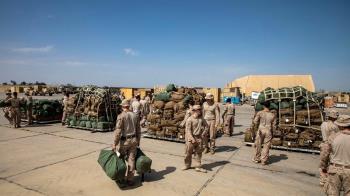
Analysis
Iraq, the Graveyard of American Military Strategy in West Asia
Sunday 11 October 2026
،
2003, the US invaded Iraq under the ruse of weapons of mass destruction, but at strategic level, it neither managed to establish a stable political structure nor did it succeed in turning the Iraqi government into a fully independent actor or one aligned with Washington. At the same time, the US fai ...
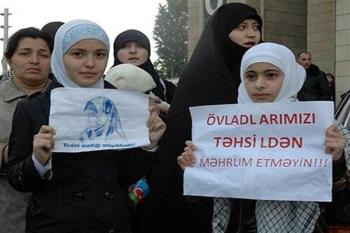
Analysis
Behind Closed School Doors: Azerbaijan Govt. Secularism vs. Islamic Identity of Society
Sunday 18 October 2026
،
2003, the state consolidated its sweeping control over religious institutions.
Azerbaijan's constitution formally guarantees freedom of religion. In practice, however, the faithful face stringent requirements in observing their Islamic rites and beliefs, and Islamic parties and activists in par ...
Paper
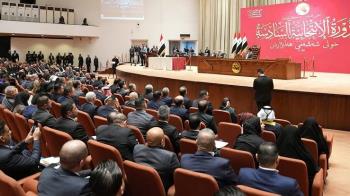
Iraq’s Cabinet Completion: From Winners and Losers to Quota System
Sunday 25 October 2026
،
2007 attack on American forces. His elevation to the deputy premiership, a post that had previously run into an American veto, raises the question of what significant concession Asa'ib Ahl al-Haq made to the foreign side to secure this position.
Some reports and figures close to the resistance, ...
Analysis
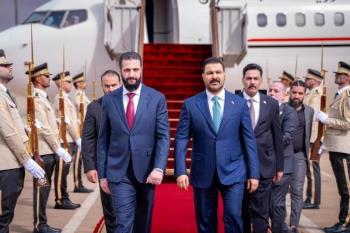
Oil and Security, Two Drivers of Iraqi PM’s Damascus Visit
Saturday 31 October 2026
،
2003 fall of Saddam's Baathist regime, too, despite various governments' desire to diversify export corridors, factors including widespread insecurity, repeated bombings of oil infrastructure, and terrorist groups' infiltration of the border areas effectively blocked any revival of the p ...
Report
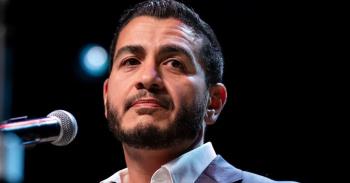
First Muslim Senate Win Suggests Pro-Palestinian Sentiments Surging in the US
Wednesday 4 November 2026
،
2007. He then attended Oxford University as a prestigious Rhodes Scholar, completing his doctorate in public health in 2011. In 2014, he earned his medical degree from Columbia University in New York.
From public health management to politics
Unlike many American politicians, El-Sayed launch ...